Your Hockey Journey—Guided by Analysis, Proven on the Ice

This case study breaks down how we used Hudl Instat clips and age-aware coaching to help [Athlete Name] ([Level/Team]) fix specific habits, make faster reads, and turn practice into real game results.
What We Worked On—and Why It Mattered

We started with [Athlete Name]’s game film and identified the patterns that limited impact: timing on entries, puck protection under pressure, and decision speed off the wall (examples below). Each week combined slow-mo breakdowns with voiceover and on-ice cues—simple, repeatable steps to try in the next skate. The goal wasn’t more drills; it was better reads parents can see on film.

Games Reviewed: [#]
Weeks in Plan: [#]
Clips Analyzed: [#]
On-Ice Sessions: [#] (Calgary)

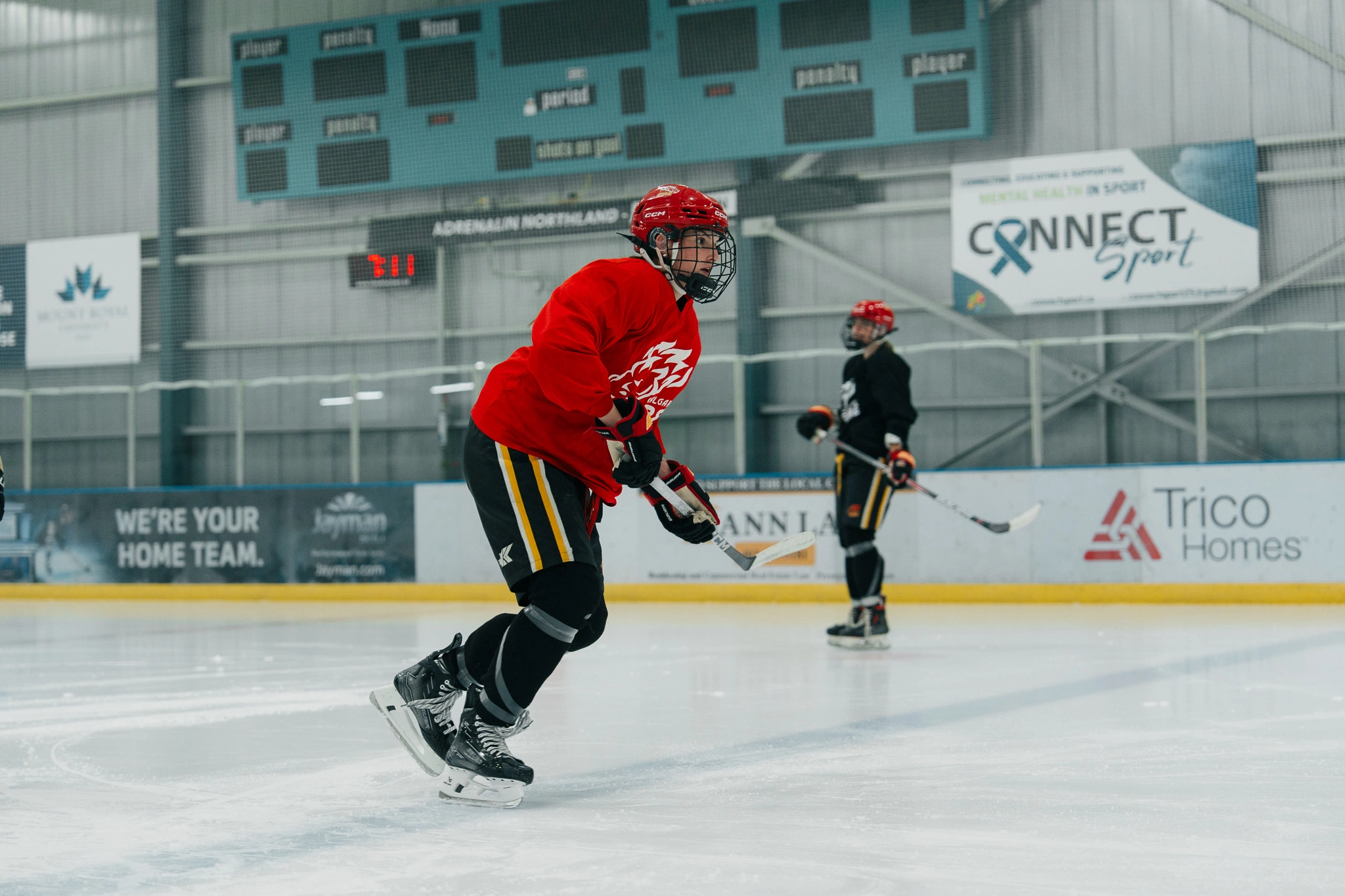
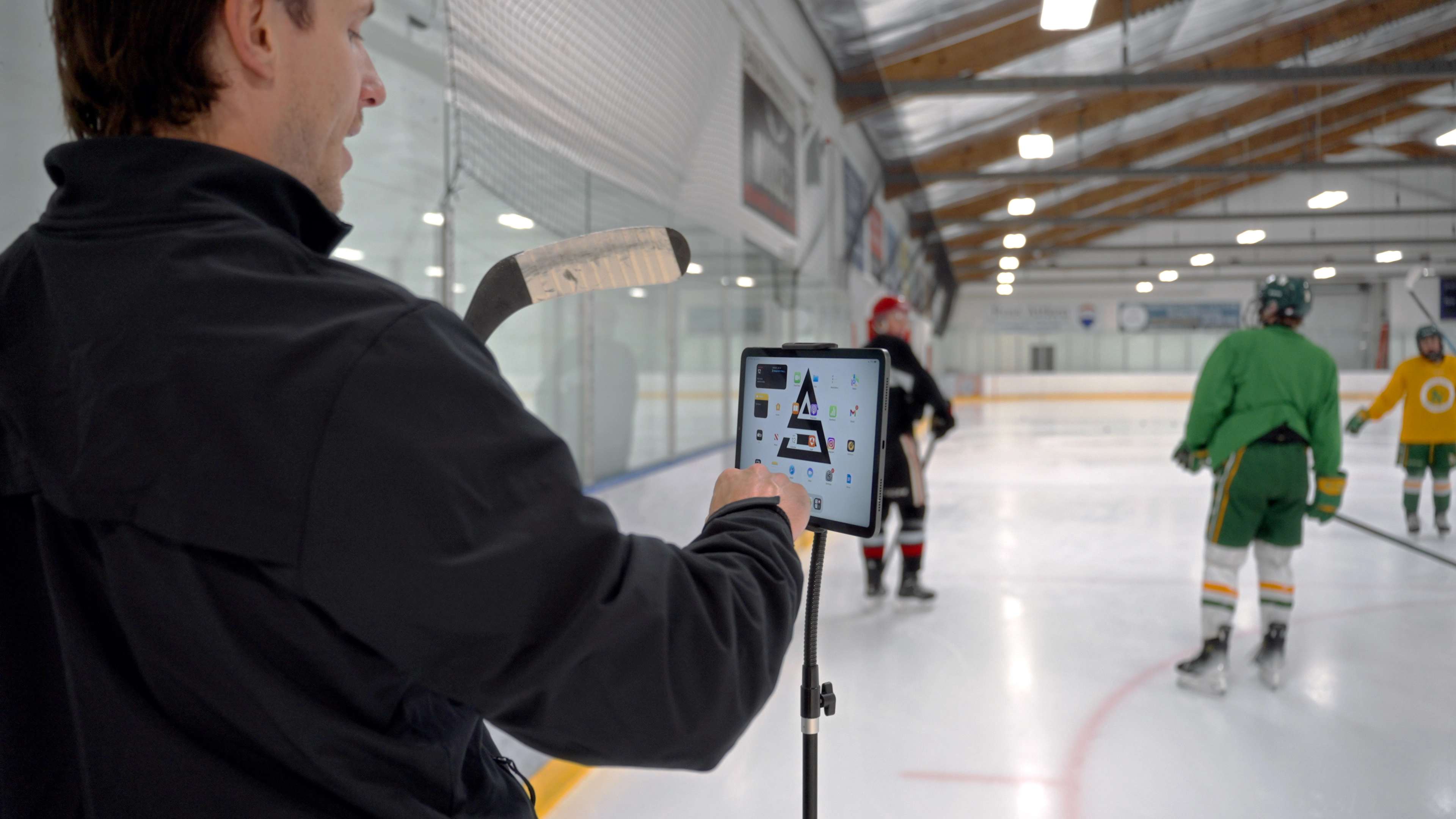
Image of a Snap Video Analytics players receiving on-ice coaching from Cole McBride
Starting Point & Goals

Level/position, target outcome (make U15AAA / earn CHL camp / secure NCAA looks). Key issues spotted on film (e.g., late on entries, losing pucks under contact, rushing low-percentage shots).

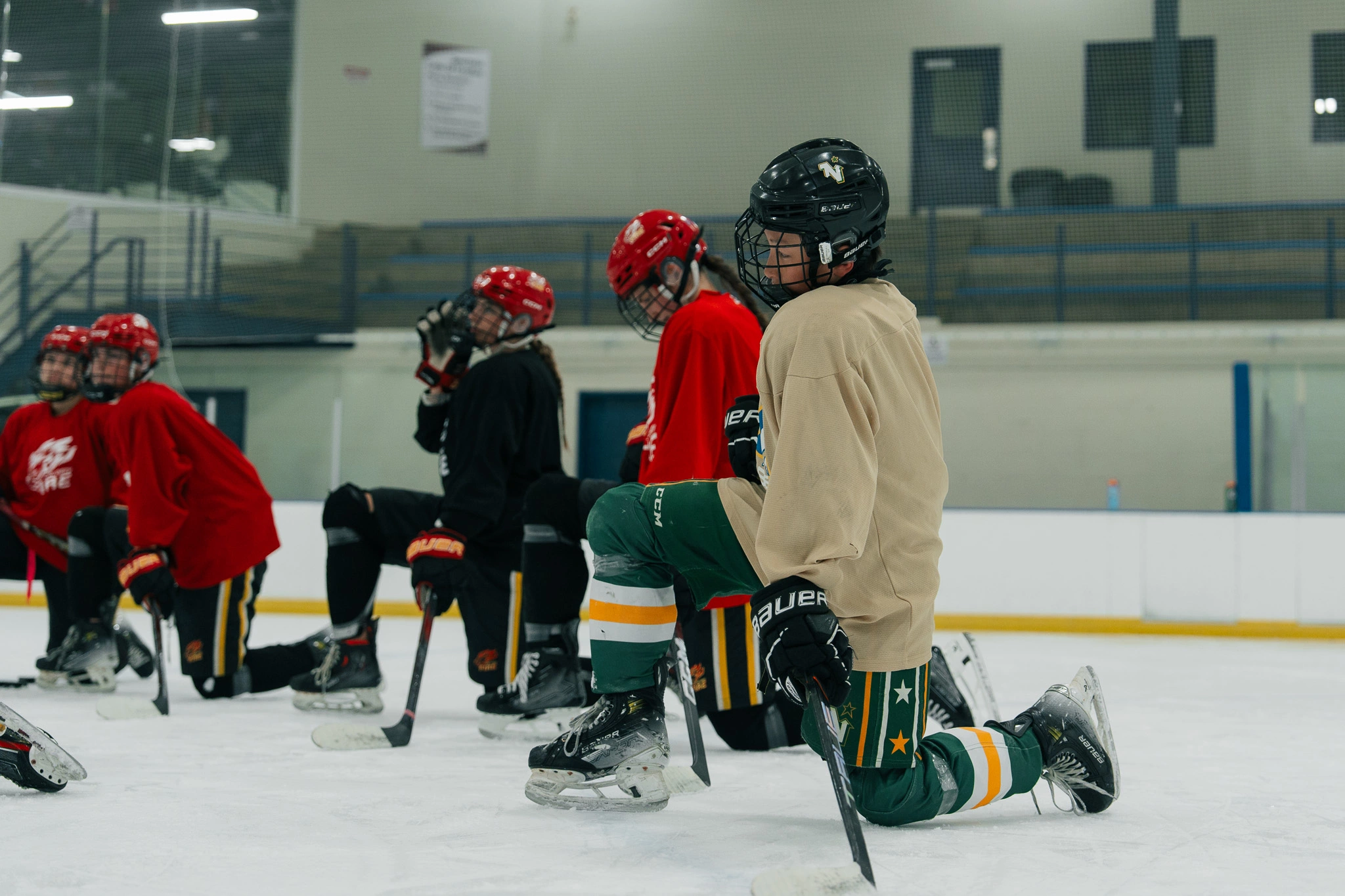
Image of Cole McBride coaching an on-ice skating session
Training Plan & Cues

What we changed. Weekly focus with 1–2 game cues (e.g., “scan shoulder at blue,” “place puck to back skate on pressure,” “delay to middle support”). On-ice reps in Breakfast Club (Calgary, Sept–Mar) or Spring Camp (Apr–Jun) to lock habits.

Image of Cole McBride coaching an on-ice skating session
Key Game Clips

What the film showed. 2–3 annotated clips with timestamps. What to watch for: scanning timing, shoulder checks, deception attempts, puck placement choices.

Image of a Snap Video Analytics player receiving on-ice coaching from Cole McBride
Results & Next Steps

What improved. Measurable outcomes pulled from film review (e.g., zone entries kept +38%, controlled exits +27%, slot touches +2.1/game). Coach note on next focus area.